
Nepal is famous all over the world for its mountains. When people talk about adventure, trekking, and natural beauty, the first thing that comes to mind is the mountain range in Nepal. Nepal is a small country, but it has some of the highest and most beautiful mountains on Earth. The country lies in the heart of the Himalayas, which makes the mountain range in Nepal very special and important.
Understanding the Mountain Range in Nepal
The mountain range in Nepal is part of the great Himalayan mountain system. These mountains stretch across the northern part of the country from east to west. Because of this, Nepal has a very diverse landscape, including hills, valleys, rivers, and high peaks.
The mountain range in Nepal includes some of the tallest mountains in the world. Many of these mountains rise above 8,000 meters, which is why Nepal is often called the land of the Himalayas. These mountains are not only beautiful but also very important for climate, rivers, and culture.
Why the Mountain Range in Nepal Is Famous
The mountain range in Nepal is famous because it includes the world’s highest peak, Mount Everest. But Everest is not the only famous mountain. Nepal has many other high peaks that attract trekkers, climbers, and nature lovers.
Another reason the mountain range in Nepal is famous is because of its natural beauty. Snow-covered peaks, deep valleys, glaciers, and green hills make Nepal one of the most scenic countries in the world.
Location of the Mountain Range in Nepal
The mountain range in Nepal lies mainly in the northern part of the country, along the border with Tibet (China). These mountains form a natural boundary between Nepal and Tibet.
The Himalayas in Nepal are divided into different regions based on geography and height. Each region has its own landscape, climate, and cultural importance. This makes the mountain range in Nepal very diverse.
Major Himalayan Mountain Range in Nepal
The Himalayan system is the main mountain range in Nepal. It is divided into several smaller ranges and sections. These ranges run from east to west and cover almost one-third of the country.
Some parts of the mountain range in Nepal are very high and covered with snow all year. Other parts have lower peaks and green hills. This variation makes Nepal unique.
Eastern Mountain Range in Nepal
The eastern mountain range in Nepal is known for its green landscapes and high rainfall. This region includes famous mountains and rich biodiversity.
The eastern Himalayas are less dry and have more forests. Because of this, the mountain range in Nepal in the east looks greener compared to the west.
Central Mountain Range in Nepal
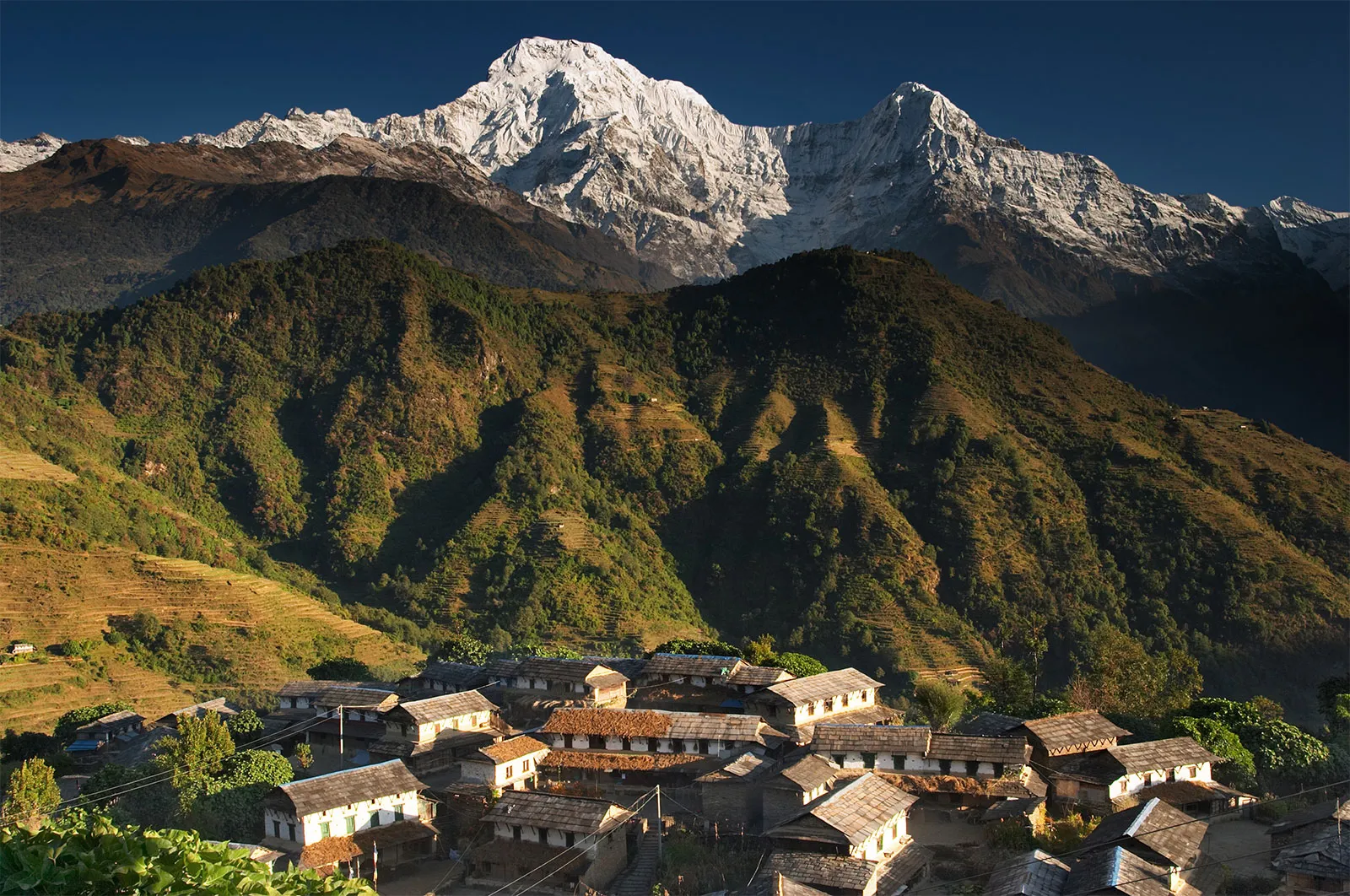
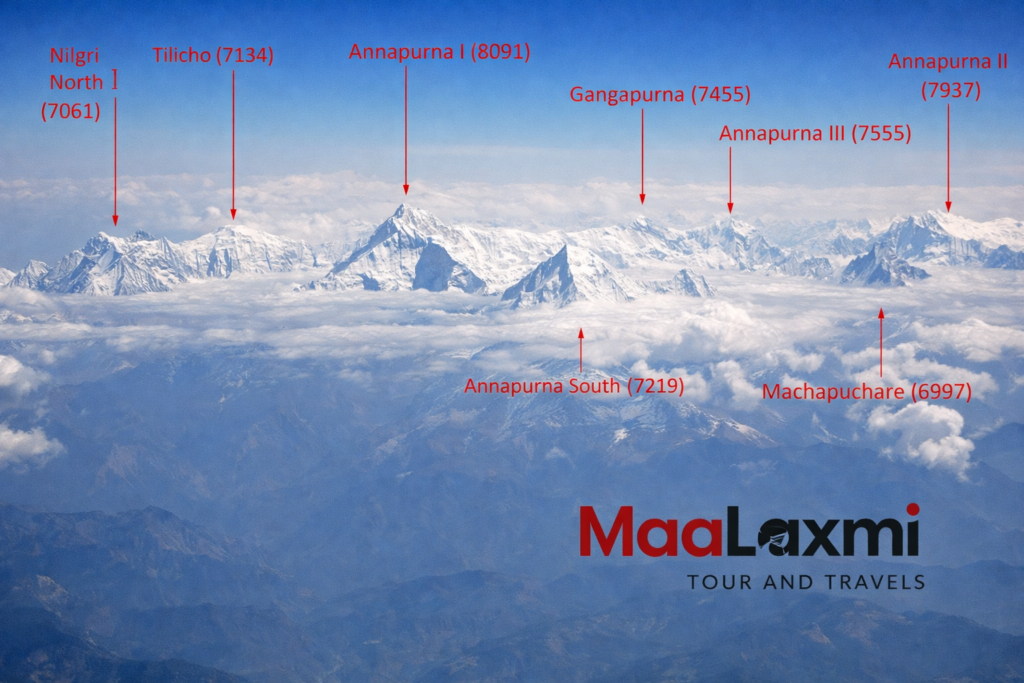
The central mountain range in Nepal is the most popular region for trekking and tourism. It includes some of the most famous mountain areas in Nepal.
This region is home to the Annapurna Range and the Langtang Range. These areas are well known for trekking routes, scenic views, and local culture.
Western Mountain Range in Nepal
The western mountain range in Nepal is drier and more rugged. It receives less rainfall compared to the eastern region.
This part of the mountain range in Nepal is less crowded and more remote. It is ideal for travelers who want peaceful and offbeat destinations.
Importance of the Mountain Range in Nepal
The mountain range in Nepal is very important for the country. These mountains are the source of many rivers that flow through Nepal and neighboring countries.
The mountains also play a key role in Nepal’s climate. They block cold winds from the north and influence rainfall patterns. Without the mountain range in Nepal, the country’s weather would be very different.
Cultural Importance of the Mountain Range in Nepal
For local people, the mountain range in Nepal is not just a natural feature. Many mountains are considered sacred. People believe that gods and spirits live in the mountains.
Festivals, traditions, and local lifestyles are closely connected to the mountain range in Nepal. Villages in mountain areas have unique cultures that attract visitors from around the world.
Mountain Range in Nepal and Tourism
Tourism is one of the biggest benefits of the mountain range in Nepal. Thousands of people visit Nepal every year to see the mountains, go trekking, and enjoy nature.
The mountain range in Nepal supports trekking routes like Everest Base Camp, Annapurna Circuit, and many others. These routes help local communities earn income.
Major Mountain Ranges in Nepal
| Mountain Range | Region | Special Feature |
| Everest Range | Eastern Nepal | World’s highest peak |
| Annapurna Range | Central Nepal | Popular trekking area |
| Langtang Range | Central Nepal | Close to Kathmandu |
| Dhaulagiri Range | Western Nepal | Very high and remote |
| Kanchenjunga Range | Eastern Nepal | Third highest peak |
This table shows how diverse the mountain range in Nepal is.
Climate of the Mountain Range in Nepal
The climate of the mountain range in Nepal changes with altitude. Lower mountain areas have mild weather, while higher regions remain cold all year.
Snowfall is common in high mountains, especially in winter. Summer brings warmer temperatures, but the peaks remain covered in snow. This climate diversity is a key feature of the mountain range in Nepal.
March Weather of Major Nepal Cities
March is an important month for travelers visiting the mountain range in Nepal. It marks the beginning of spring, and the weather becomes pleasant across the country.
In Kathmandu, March weather is mild and comfortable. Pokhara experiences slightly warmer days with clear skies. Chitwan and Lumbini are warm but pleasant. Hill stations like Nagarkot remain cool and offer clear mountain views.
March weather makes it a good time to explore areas near the mountain range in Nepal.
March Weather of Major Nepal Cities
| City | Day Temperature | Night Temperature | Weather Type |
| Kathmandu | 18°C – 25°C | 8°C – 12°C | Mild & Clear |
| Pokhara | 20°C – 27°C | 10°C – 14°C | Pleasant |
| Chitwan | 22°C – 30°C | 12°C – 16°C | Warm |
| Lumbini | 20°C – 30°C | 12°C – 16°C | Sunny |
| Nagarkot | 15°C – 22°C | 5°C – 10°C | Cool |
Best Time to Visit the Mountain Range in Nepal
The best time to visit the mountain range in Nepal is during spring (March to May) and autumn (September to November). During these seasons, the weather is stable, and mountain views are clear.
Winter is very cold in high areas, while monsoon season brings heavy rain. That is why spring and autumn are considered the best seasons to enjoy the mountain range in Nepal.
Wildlife in the Mountain Range in Nepal
The mountain range in Nepal is home to many rare animals and plants. Snow leopards, red pandas, and Himalayan birds live in these regions.
National parks and conservation areas help protect wildlife in the mountain range in Nepal. This makes the region important not only for tourism but also for nature conservation.
Life in the Mountain Range in Nepal
People living in the mountain range in Nepal have a simple and strong lifestyle. They depend on farming, animal husbandry, and tourism.
Life in the mountains is challenging, but local people have adapted over time. Their traditions and hospitality are an important part of the mountain range in Nepal experience.
Conclusion
In conclusion, the mountain range in Nepal is one of the most important natural features of the country. It shapes Nepal’s geography, climate, culture, and tourism. From the highest peaks in the world to peaceful valleys and villages, the mountain range in Nepal offers unmatched beauty and diversity.
Understanding the mountain range in Nepal helps travelers appreciate why Nepal is called the heart of the Himalayas. Whether you visit for trekking, learning, or natural beauty, the mountains of Nepal leave a lasting impression on everyone.
The main mountain range in Nepal is the Himalayan range, which runs from east to west across the northern part of the country.
The mountain range in Nepal is famous because it includes Mount Everest, the highest mountain in the world, along with many other tall Himalayan peaks.
Nepal mainly has one large mountain system, the Himalayas, which is divided into several regional ranges such as Everest, Annapurna, Langtang, and Dhaulagiri.
The northern part of Nepal has the highest mountains because this is where the Himalayan mountain range in Nepal is located.
The best time to visit the mountain range in Nepal is spring (March to May) and autumn (September to November) when the weather is clear and stable.
Yes, the mountain range in Nepal plays a big role in controlling weather, rainfall, and river systems across the country.